
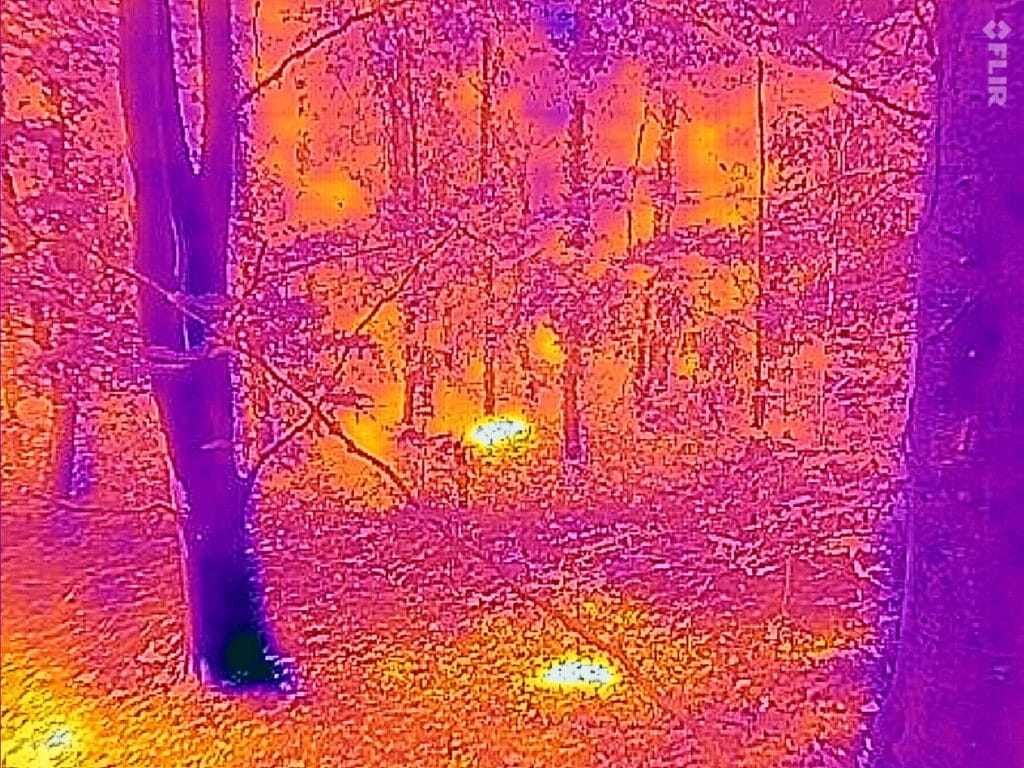
Lightweight systems designed to help reduce visual, thermal and near-infrared signature without restricting movement or operational effectiveness.
Including:
- Wearable concealment systems
- Rapid over-garments
- Stowable protection layers
- Silhouette disruption systems
- Lightweight adaptable concealment solutions
Operational survivability increasingly depends on speed. Legacy shelter and concealment systems can take significant time to deploy, recover or adapt. That increases exposure and reduces mobility. Arcus is developing rapid shelter concepts for observation posts, temporary positions and vehicle concealment.
Current areas include:
• Rapid-inflate observation-post shelters
• Lightweight deployable concealment systems
• Vehicle signature management shelters
• Hybrid deployment systems
• Multi-chamber inflatable structures for resilience
The objective is to reduce deployment burden while maintaining practical survivability value across relevant threat bands.
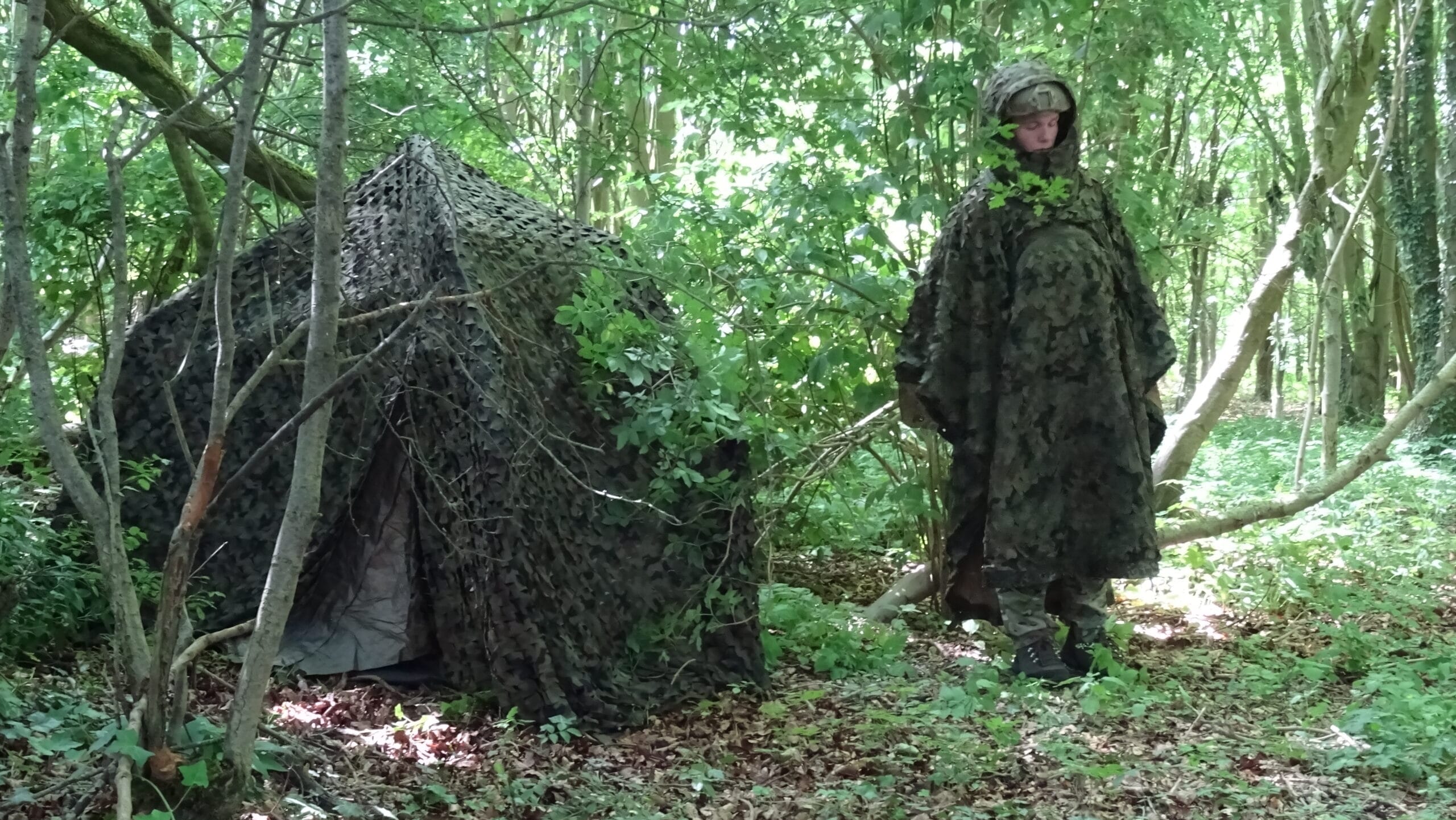
Vehicles remain vulnerable to detection across visible, thermal and near-infrared systems.
Arcus is developing vehicle-focused signature management capability designed around rapid deployment, platform adaptability and operational use.
Development work includes deployable vehicle shelter systems and adaptable concealment configurations for different platforms and environments.
Key priorities include:
• Fast deployment and recovery
• Reduced setup burden
• Platform adaptability
• Mobility retention
• Field usability
Capability development is aligned to clear readiness levels, user feedback and iterative testing.
Signature management is not only about colour or pattern.
Material behaviour changes across thermal and infrared bands depending on weather, terrain, movement, use and environment. Arcus works with specialist material manufacturers and supply-chain partners to develop and source material systems suited to specific operational requirements.
This includes:
• Environment-specific material combinations
• Thermal behaviour optimisation
• Visual and infrared pattern management
• Adaptive deployment methods
• Integration with shelter and garment systems
No single material solves every problem. The right answer depends on the environment, platform, user and threat profile.
Whether the requirement is defined or still emerging, early conversation helps shape the right approach.